

Description
Staple Whole Pulse for Household & Institutional Use
Whole pigeon peas, commonly used as the base raw material for toor dal, are valued for their dense grain structure and reliable cooking behavior. Harvested at full maturity and properly dried, pigeon peas are used both directly in cooking and for further processing into split dals.
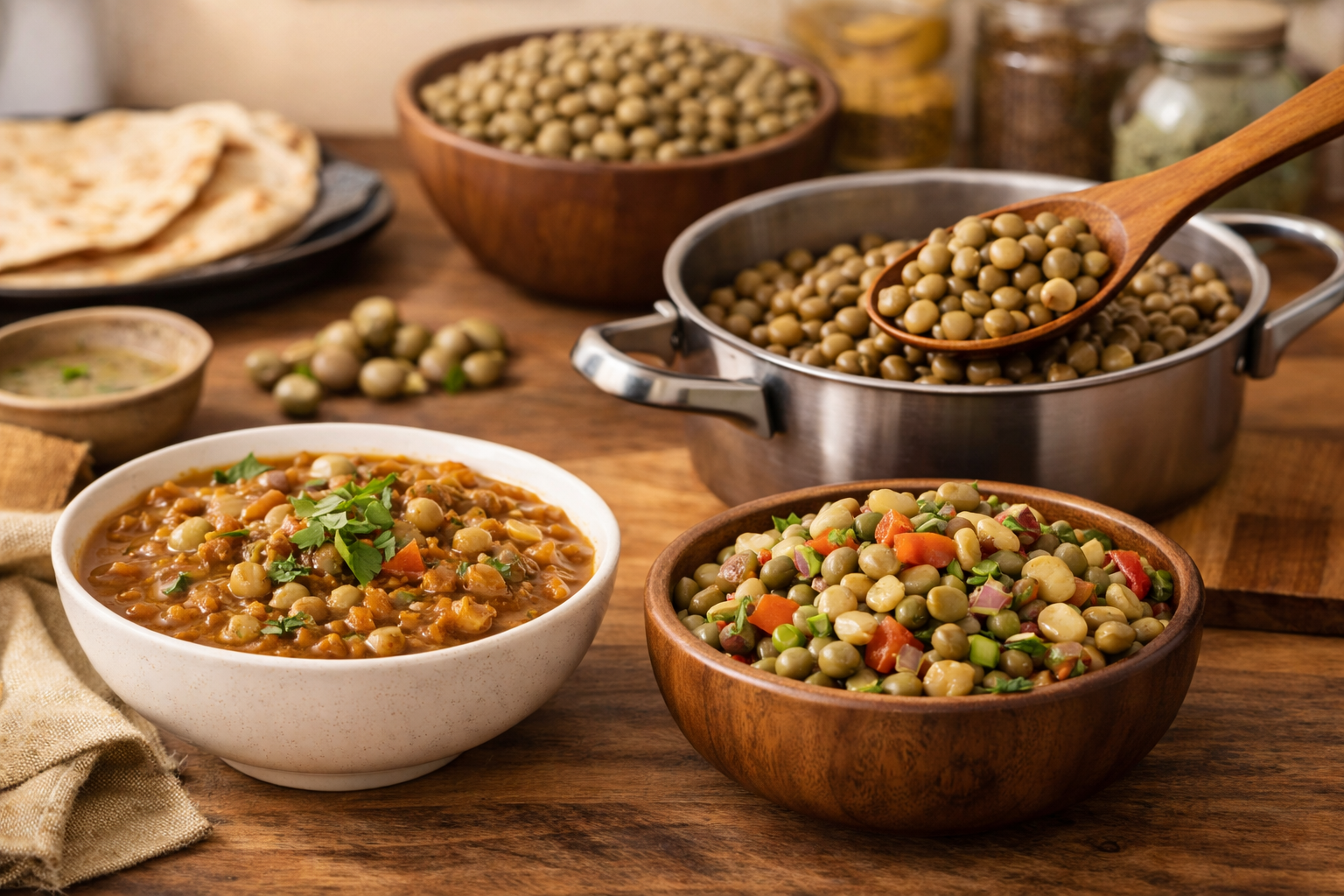
Across households, regional kitchens, and food service environments, whole pigeon peas are preferred for preparations that require gradual softening and controlled texture development during cooking.
Grain Quality, Color & Visual Uniformity
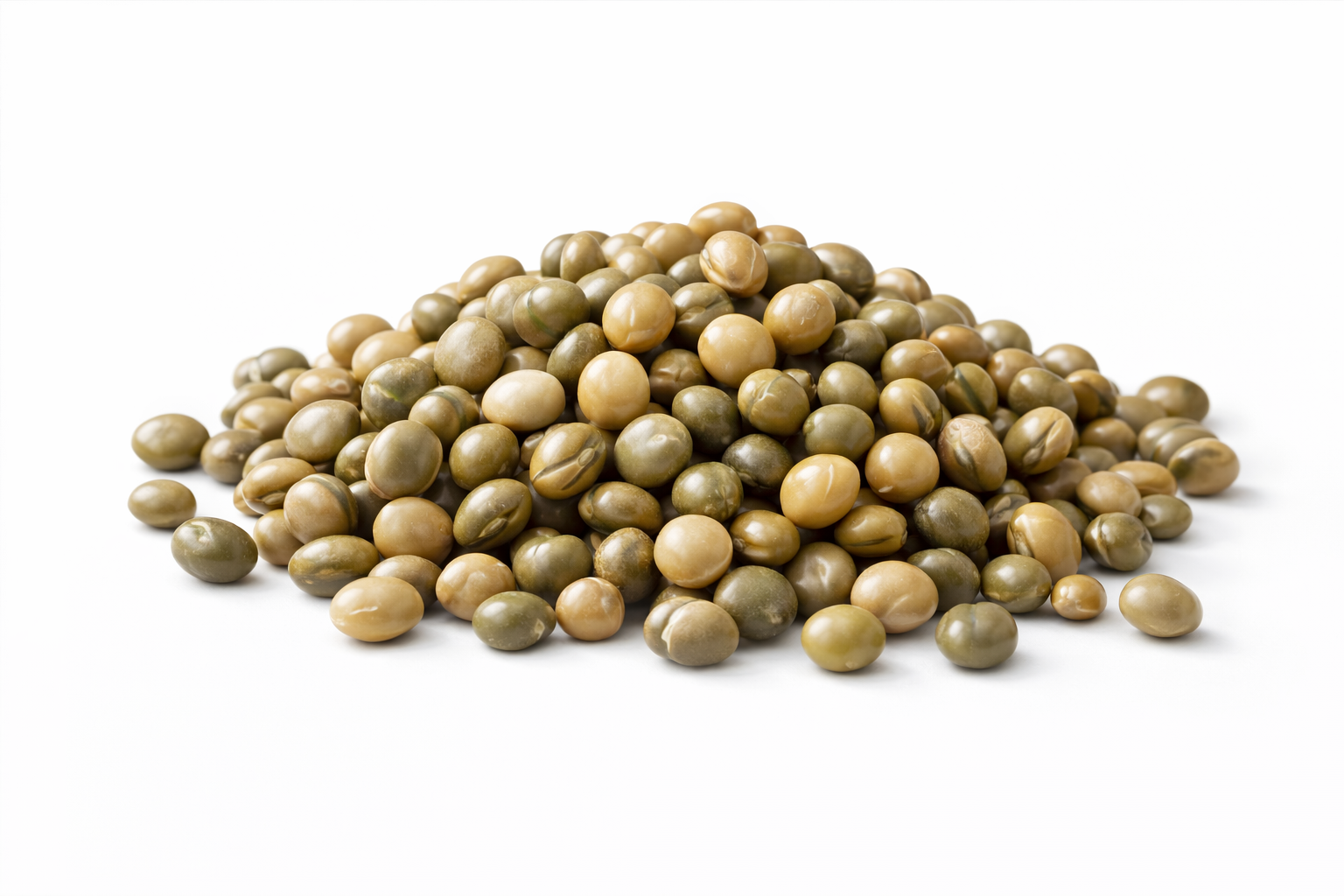
High-quality pigeon peas are small to medium-sized grains with a light brown to beige outer skin. Uniform grain size is critical, as it affects soaking time, hydration consistency, and final cooking texture.
Clean sorting ensures minimal broken grains and foreign matter, improving cooking predictability and visual quality in prepared dishes.
Processing, Cleaning & Sorting Standards
Whole pigeon peas undergo multiple cleaning stages to remove stones, dust, and immature grains. Sorting and grading ensure consistent size and density, which directly influences cooking performance.
Proper drying and moisture control help maintain shelf stability and reduce the risk of spoilage during storage and transportation, especially in bulk handling conditions.
Cooking Behavior & Bulk Performance
Pigeon peas require soaking before cooking, after which they soften gradually while retaining grain integrity. When cooked fully, they develop a tender interior without excessive splitting.
In bulk cooking and institutional kitchens, pigeon peas offer predictable yield and texture, making them suitable for large-volume meal preparation and repeated cooking cycles.
Food Service & Processing Relevance
Whole pigeon peas are used in traditional regional dishes, institutional meals, and food service kitchens. They are also used as raw material for dal milling and processed pulse products, where uniform grain quality is essential.


Reviews
There are no reviews yet.